Lamp
A fixture that uses electricity to produce visible light, used to illuminate an interior space.
Classification
- Mechanisms
- glowing
- Tasks
- illuminate
- Materials
- glazed ceramic or glass base, metal fittings and stems, fabric or glass shade, incandescent, CFL, or LED bulb, plastic housing and switch components
- Historical materials
- pottery, earthenware, copper alloy, bronze, glass, marble, brass, tin, mica
Principles
An electrical filament or arc is heated by resistive/electrical energy until it glows white-hot (incandescence);converting electricity directly into visible light without combustion.
Evolution
- Middle Kingdom, ca. 1900–1640 BCE
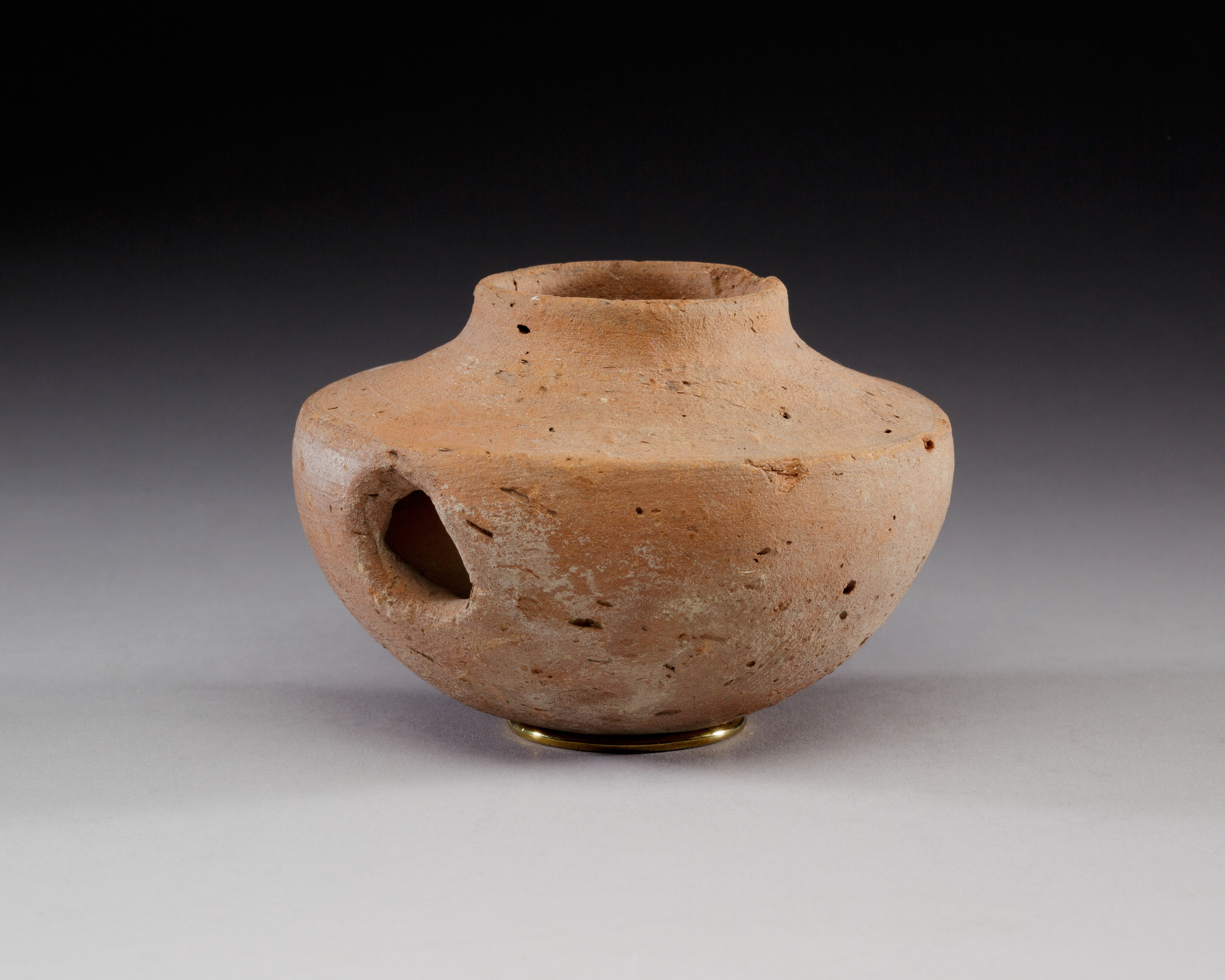
The Metropolitan Museum of Art, Rogers Fund, 1915, CC0.
Pottery oil lamp[1]
A pottery oil lamp, one of three excavated together at Lisht North during the Metropolitan Museum's 1913–14 excavations.
- Roman Period, 30 BCE–364 CE
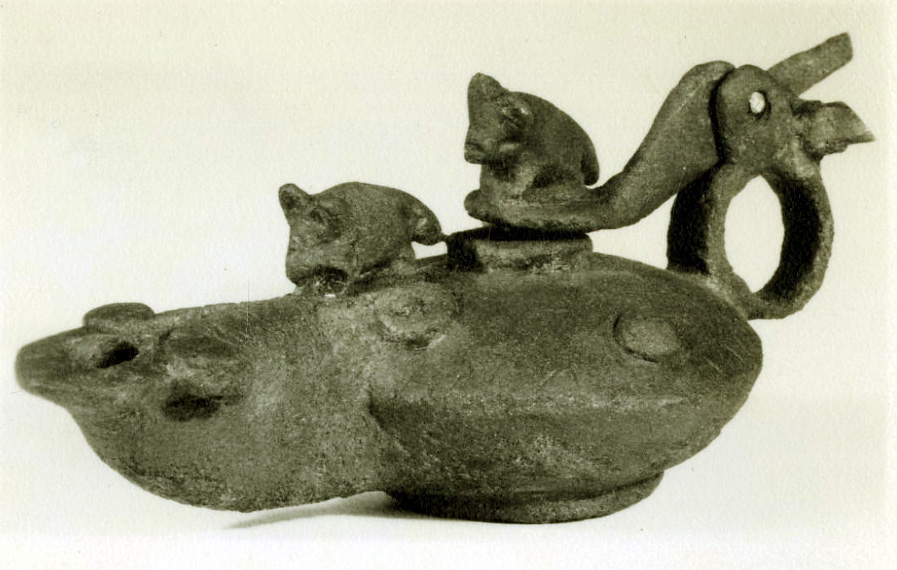
The Metropolitan Museum of Art, Rogers Fund, 1964, CC0.
Copper alloy oil lamp[2]
A copper alloy oil lamp from Roman Period Egypt — cast in metal rather than the pottery used for the Egyptian lamps on this page.
- New Kingdom, ca. 1473–1458 BCE

The Metropolitan Museum of Art, Rogers Fund, 1927, CC0.
Pottery oil lamp (New Kingdom)[3]
A pottery oil lamp excavated from the Tomb of Senenmut (TT 353) at Deir el-Bahri, several centuries after the Middle Kingdom lamp above.
- ca. 1220–1271
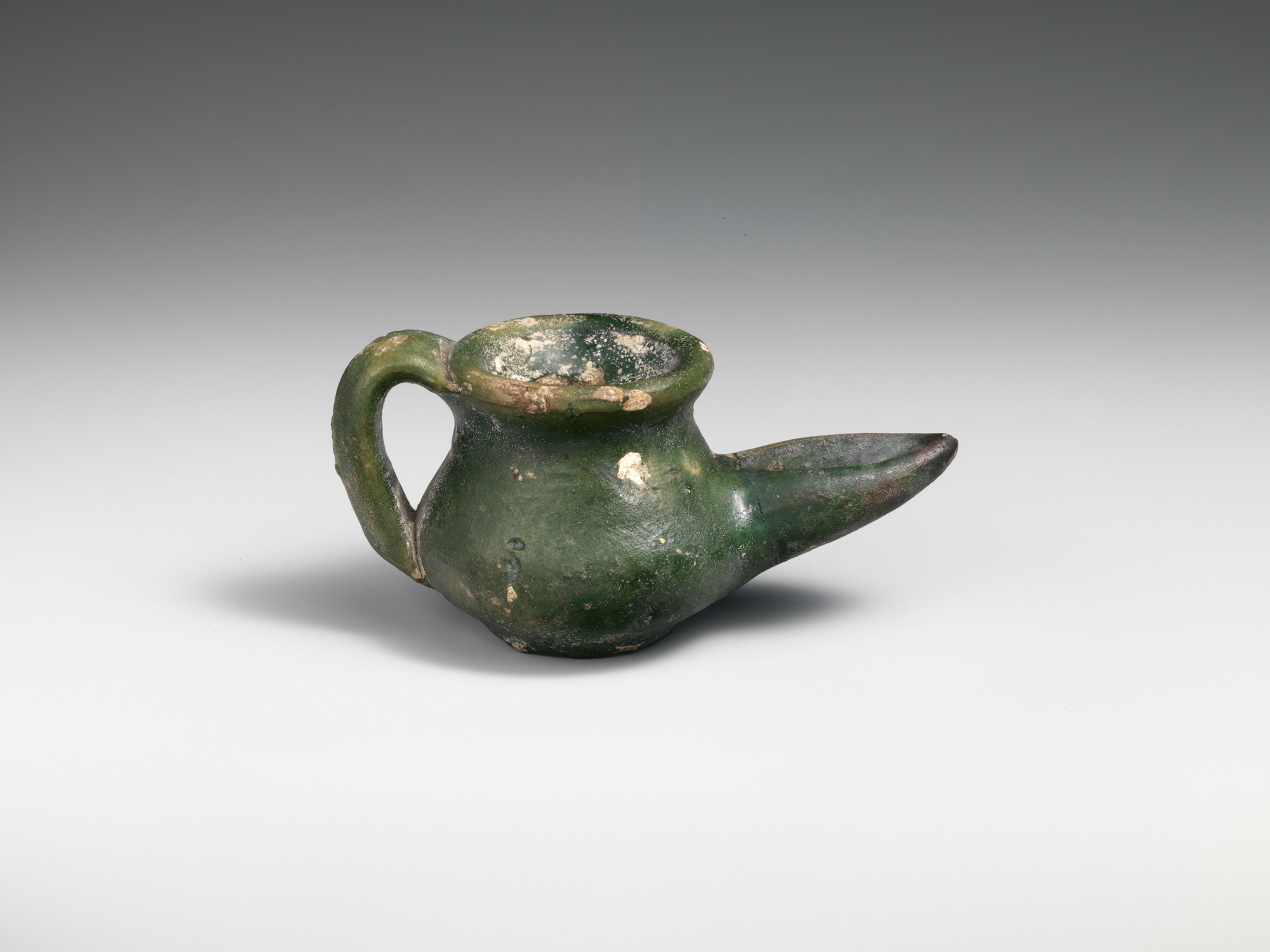
The Metropolitan Museum of Art, Gift of Clarence H. Mackay, Archer M. Huntington, Stephen H. P. Pell and Bashford Dean, 1928, CC0.
Glazed earthenware lamp[4]
A small glazed-earthenware oil lamp from the Crusader-era Levant — glazed, unlike the plain pottery of the earlier Egyptian lamps on this page.
- 10th–11th century
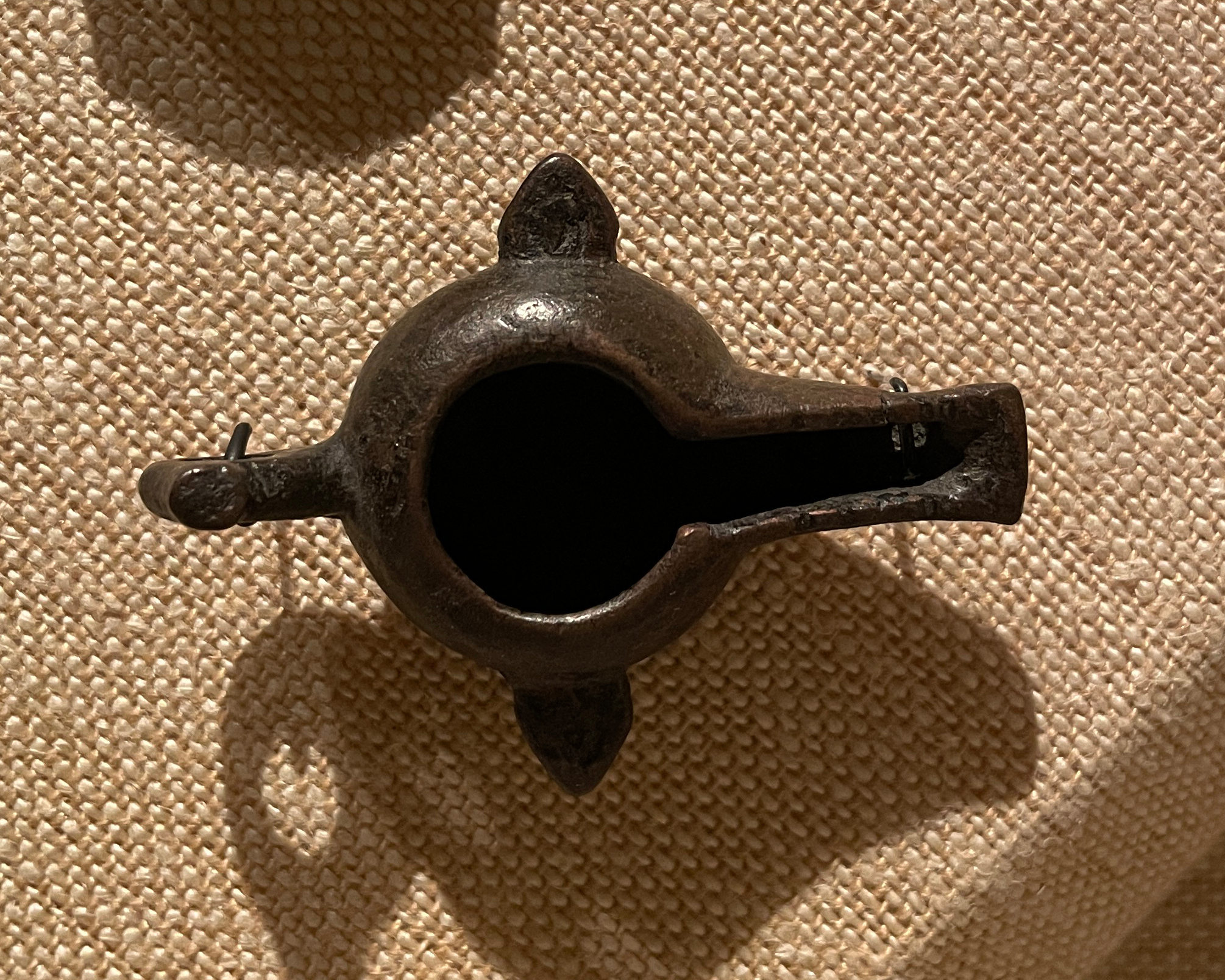
The Metropolitan Museum of Art, Rogers Fund, 1939, CC0.
Cast bronze lamp[5]
A small cast bronze oil lamp from Iran — cast in bronze rather than the copper alloy of the Roman-period lamp above.
- 1843–1855
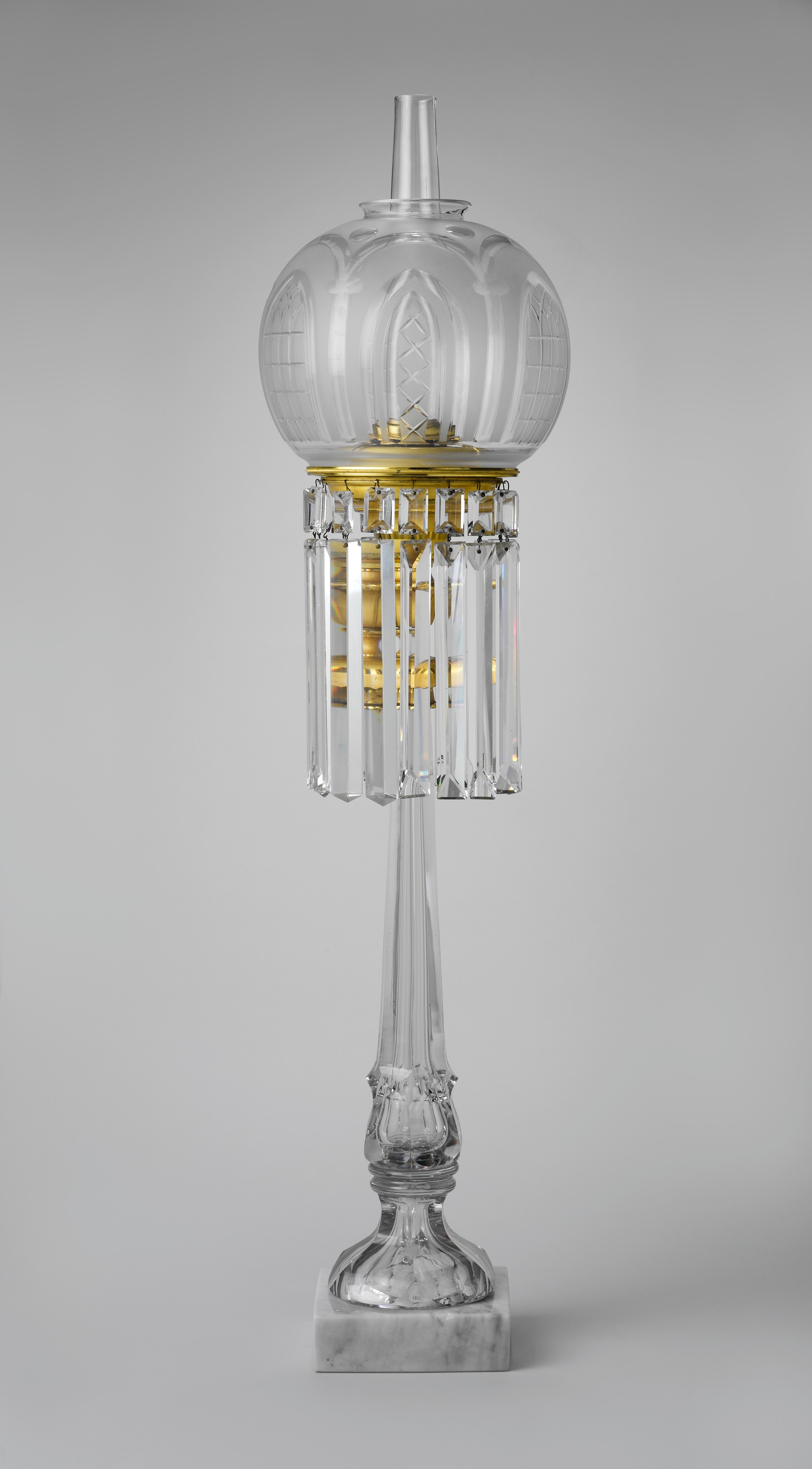
The Metropolitan Museum of Art, Purchase, Lenox, Incorporated Gift, 1978, CC0.
Cut and engraved glass lamp[6]
A mid-19th-century American parlor lamp using cut and engraved glass on a marble base.
- mid-20th century
Kerosene mantle lamp[7]
A kerosene lamp fitted with a woven mantle that's heated to incandescence by the flame rather than simply lit as a wick, producing much brighter, whiter light. Aladdin Industries' product line — mantel, table, vase, hanging, wall-bracket, and Aladdinette candle-style lamps — was a well-documented American brand of this type, sold well into the era of household electrification for homes and areas electricity hadn't yet reached.
- 1904–1915
Leaded glass electric lamp[8]
An electric lamp with a bronze base and a shade made of small pieces of colored glass leaded together in a mosaic pattern.
- ca. 1912–1915
Hammered copper and mica electric lamp[9]
An electric lamp with a hand-hammered copper base and a shade of mica sheets rather than glass, in the same American Arts and Crafts electric-lamp tradition as the leaded-glass lamp above.
Related objects
- candle
- candlestick
- lantern
- torch
- chandelier
- sconce
- light bulb
- light switch
- nightlight
Sources
- 1.Metropolitan Museum of Art, three pottery lamps excavated at Lisht North (objects 546713, 546714, 546633), MMA excavations 1913–14
- 2.Metropolitan Museum of Art, Lamp (object 545839), Roman Period Egypt
- 3.Metropolitan Museum of Art, Lamp (object 549195), excavated from the Tomb of Senenmut (TT 353), Deir el-Bahri, MMA excavations 1926–27
- 4.Metropolitan Museum of Art, Lamp (object 26460), Crusader
- 5.Metropolitan Museum of Art, Lamp (object 449583), Iran
- 6.Metropolitan Museum of Art, Lamp (object 5427), New England
- 7.Smithsonian Libraries, J. W. Courter, "Aladdin, the magic name in lamps" (1971); Smithsonian Libraries, Aladdin kerosene lamp trade catalogs and collectors' guide (2001)
- 8.Metropolitan Museum of Art, Lamp (object 4715), Louis C. Tiffany, The American Wing
- 9.Metropolitan Museum of Art, Lamp (object 4716), Dirk Van Erp, The American Wing
- 10.Smithsonian Libraries, Haeger lamps (Fall 1964 lamp catalog)